
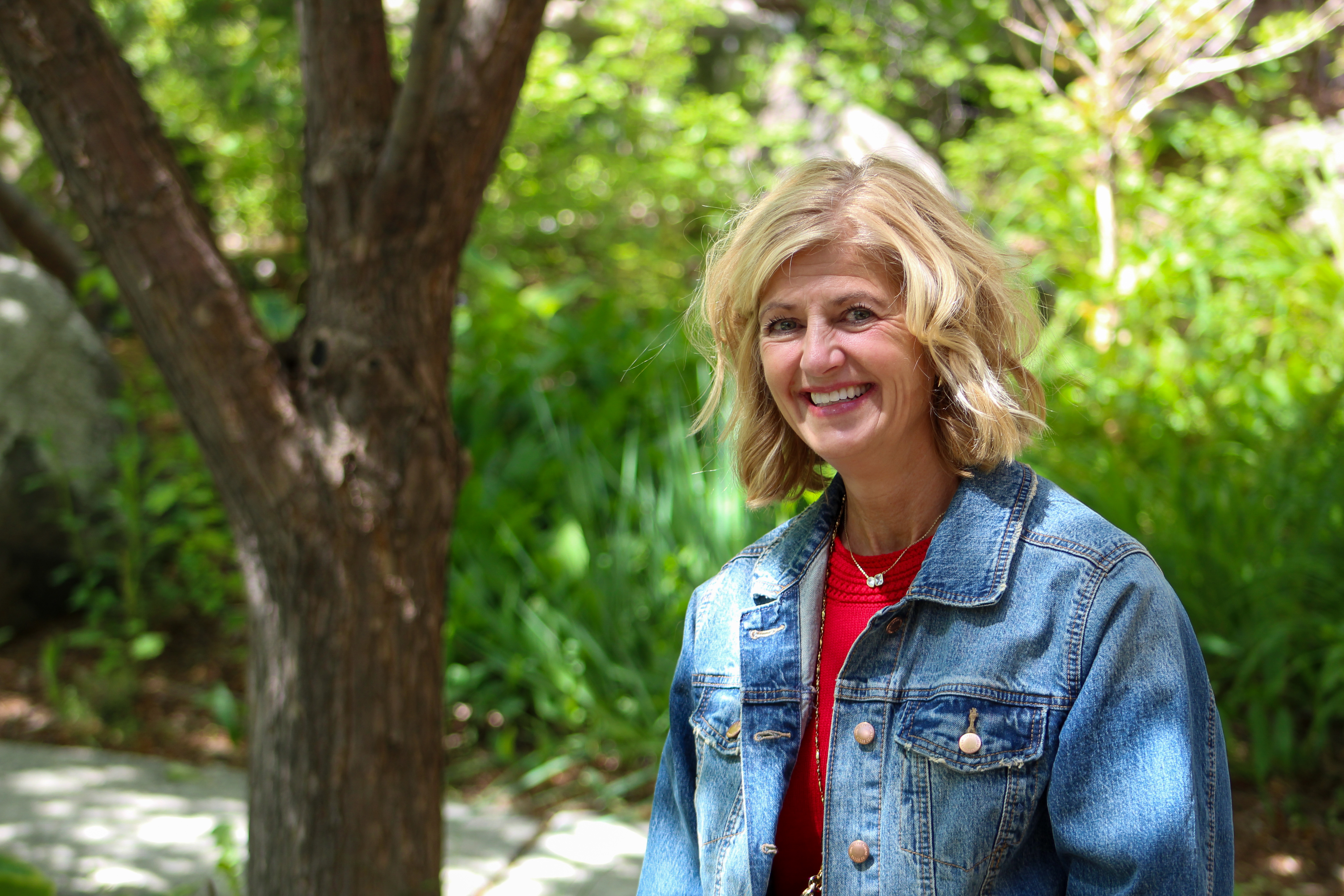
Kathy Aasved, SLP
June 22, 2026
Kathy Aasved, SLP, is a Speech Language Pathologist at St. Peter’s Health. She has a master of science in Speech-Language Pathology
When I was asked to write an article about Alzheimer’s disease, I found myself torn between two perspectives: the provider who helps patients and families navigate the disease, and the daughter and daughter-in-law who has personally experienced the long and emotional journey of Alzheimer’s through to the end. I suppose I will do a bit of both, beginning with some basic facts about the disease.
Alzheimer’s disease is the most common cause of dementia and is most prevalent in people over the age of 65. It is an irreversible, degenerative disease that affects the brain, slowly damaging memory, thinking, and behavior. While there is currently no cure, medications may help improve symptoms or slow progression. Because treatment cannot begin without a formal diagnosis, it is important to seek medical evaluation when concerns first arise.
The first symptom is often forgetfulness severe enough to affect work, hobbies, or social life. Other signs include mood changes, difficulty multitasking, misplacing things, repeating questions or stories, confusion, trouble organizing thoughts, and becoming lost in familiar places. As the disease progresses, everyday tasks such as cooking, paying bills, and using common household objects become increasingly difficult.
These changes can be frightening and may lead to anger, fear, sadness, embarrassment, or isolation. Family members and caregivers need to recognize this and respond with patience, kindness, and empathy.
The Alzheimer’s journey is difficult not only for the person affected but also for the family. People with Alzheimer’s deserve dignity and respect throughout every stage of the disease. Even as memory and cognition fade, emotions remain. Caregivers and loved ones must strive to remain calm, loving, and patient, though that can be very challenging at times.
Caregiver burnout is very real, making self-care essential. Support groups can help caregivers feel less alone while learning from others facing similar challenges. When emotions become overwhelming, it is okay to step away briefly, regroup, or ask for help.
My dad is an extremely patient man and was a phenomenal caregiver for my mom, but caregiving was still very hard. One time, I felt he needed me, so I drove home to surprise my parents. As I walked through the door, tears immediately filled my dad’s eyes. He told me he had just snapped at my mom because she was taking food out of the oven before it was done and undoing everything he was trying to accomplish. It was a powerful reminder that even the most devoted caregivers can reach their limits. It is okay to be human, and it is okay to need help.
It is also important for a person with Alzheimer’s disease to have opportunities for social interaction, regular exercise, good nutrition, and adequate sleep. Even as the disease progresses, quality time together remains meaningful. Listening to music, looking through photo albums, taking walks, or simply sitting together can provide comfort and connection.
One of my favorite memories is playing a card game with my mom, one we had played for years, and realizing she no longer remembered the rules. Instead of correcting her, I followed her lead and played however she wanted to play. We laughed hysterically. By placing no expectations on her, I freed her to enjoy the moment without feeling embarrassed or discouraged.
Above all, treat the person with love, dignity, and respect. Meet them where they are rather than trying to force them into the “real” world. Avoid arguing or correcting them unnecessarily. Even when memories fade, people with Alzheimer’s often continue to sense emotion through tone of voice, facial expressions, and touch.
Alzheimer’s disease changes many things, but it does not erase a person’s need for compassion, connection, and love.