
November 23, 2026
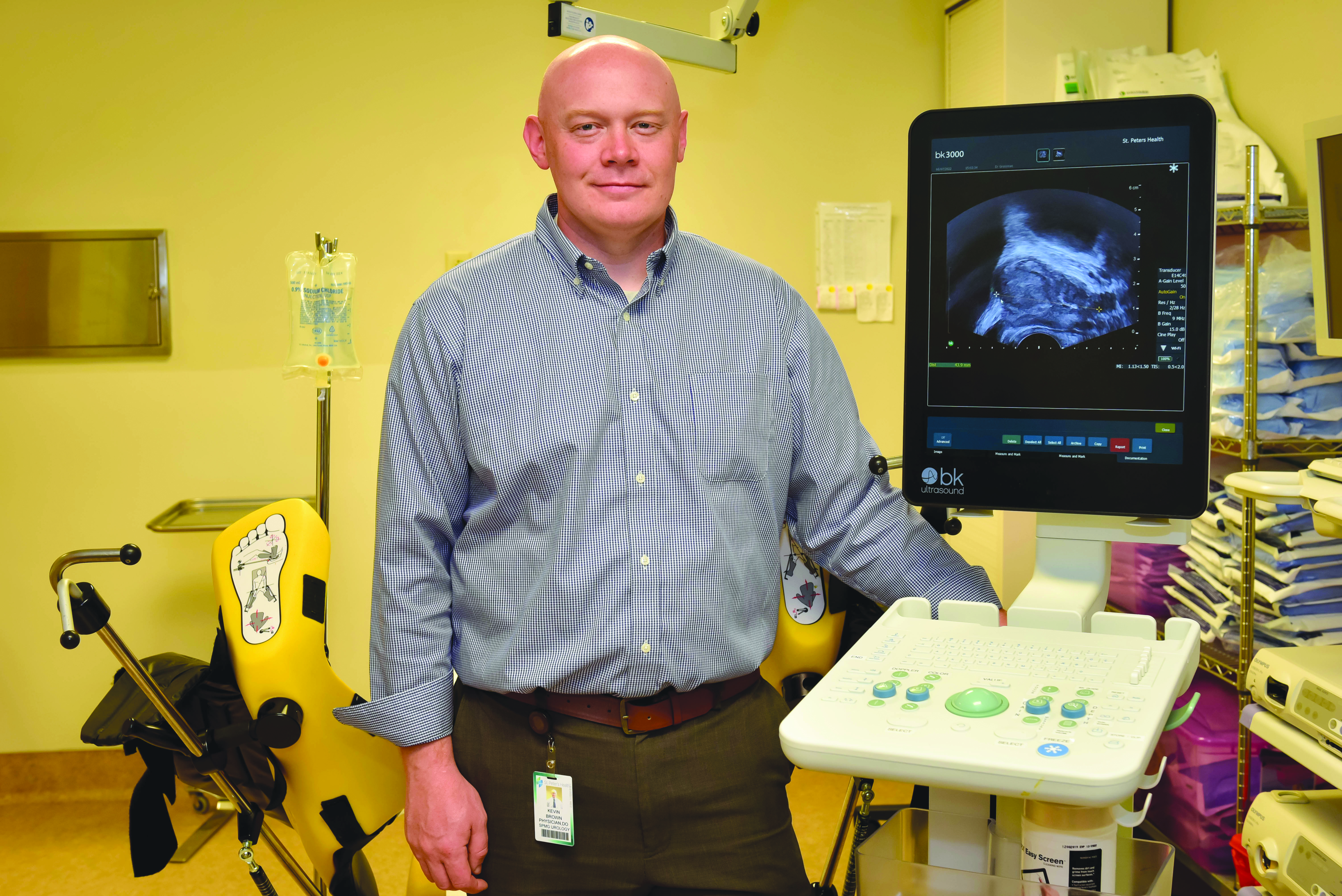
Kevin Brown, DO is a Urologist with St. Peter’s Health. Dr. Brown’s focus includes: management of urologic cancers including prostate, bladder and kidney cancer.
Most of us don't think about our bladder until something goes wrong. But it works hard for us every day. Bladder problems are common, and many of them can be prevented or treated.
How your bladder works
Your bladder is a stretchy, balloon-like muscle low in your belly. Your kidneys clean your blood and make urine. The urine flows down to your bladder, which holds it until you are ready to go. When it is time, the bladder squeezes and a ring of muscle relaxes to let the urine out.
What is normal?
Most adults urinate about 6 to 8 times a day. Getting up once at night can be normal, especially after age 60. Healthy urine is pale yellow, like lemonade. Dark yellow urine often means you need more water. Urinating should not hurt. You should not have to strain or push, and you should feel empty when you are done.
Common bladder problems
- Leaking. Many adults leak urine. Some leak when they cough, sneeze, laugh, or lift something heavy. This is very common in women, especially after having children.
- Overactive bladder. This is a sudden, strong need to go that is hard to hold. People with it often go many times during the day and night.
- Bladder infections. Germs can get into the bladder and cause an infection. Signs include burning when you urinate, needing to go often, and cloudy or smelly urine. Women get these more often than men.
- Prostate growth in men. After about age 50, a man's prostate often gets bigger. It can squeeze the tube that carries urine out. This can cause a weak stream, trouble getting started, or getting up a lot at night.
Habits for a healthy bladder
- Drink enough water. Sip it through the day. If you get up a lot at night, drink less in the two hours before bed.
- Cut back on bladder irritants. Coffee, tea, soda, and alcohol can make you need to go more often.
- Don't rush. Sit all the way down on the toilet and relax. Give your bladder time to empty.
- Eat fiber. Constipation can press on your bladder. Fruits, vegetables, and whole grains help keep you regular.
- Stay active and at a healthy weight. Extra weight puts pressure on the bladder.
- Strengthen your pelvic floor. These are the muscles you use to stop the flow of urine. Squeeze them for a few seconds, then relax. Doing this a few times a day can help with leaking.
- Don't smoke. Smoking is the biggest cause of bladder cancer. Quitting at any age lowers your risk.
When to see a doctor
Talk to your doctor if you notice any of these:
- Blood in your urine, even once, and even if it doesn't hurt. Urine that looks pink, red, or the color of cola can be an early sign of cancer.
- Burning or pain when you urinate
- Leaking or urgency that gets in the way of your life
- Fever or back pain along with bladder symptoms
- Trouble emptying your bladder
If you cannot urinate at all, get care right away.
Bladder problems are not something you just have to live with as you get older. They can be awkward to talk about, but doctors hear about them every day. Most can be helped, so speak up.